
An Incredible experience awaits every individual. From exploring picturesque locations to visiting historical landmarks, there are multifarious activities to engage in.
- Singapore
- Singapore - Malaysia
- Cruise from Singapore
Singapore
Singapore Tour Package
 Airport Pick up
 Hotels
 Sightseeing
- Arrive into Changi Airport, Singapore.
- Proceed to immigration formalities.
- Collect you baggage from the designated carousel.
- Meet our associate representative who will be holding a placard at the arrival hall.
- Transfer to Pre-booked Hotel.
- Check-into hotel between 14:00-15:00hrs, a standard check-in time.
- Get acclimatized in the free time.
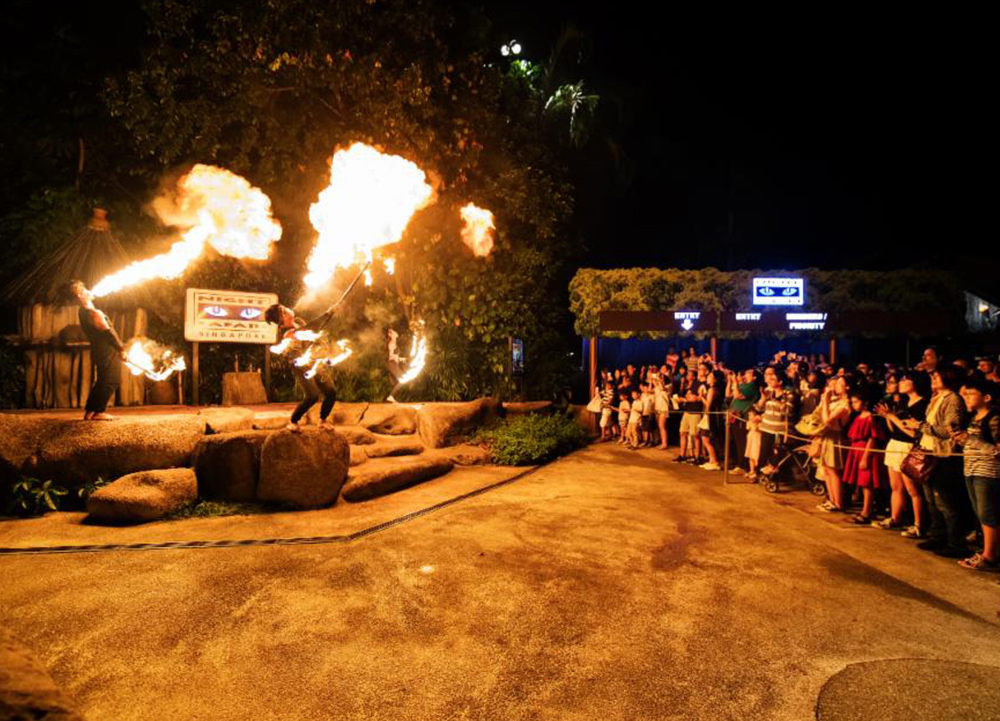
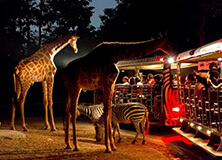
- In the evening, meet our associate representative and headway for a Singapore Night Safari Tour on SIC (Seat-in-coach) basis.
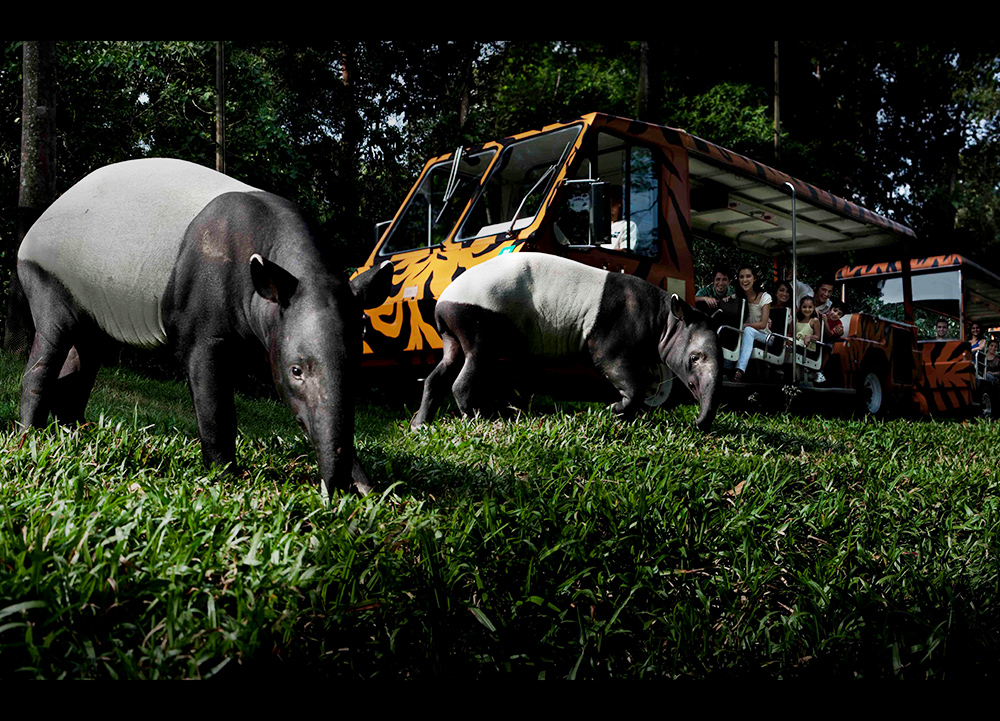
- The Night Safari is the world’s first nocturnal wildlife park, housing over 2,500 resident animals from over 130 species.
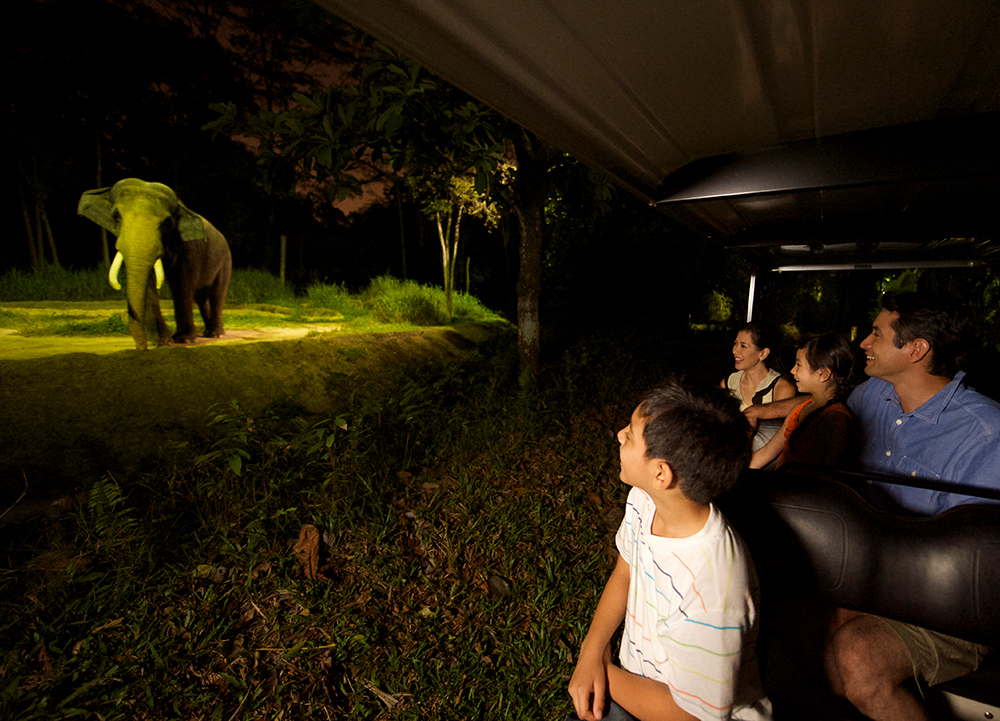
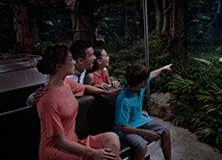
- Hop on our open-sided tram and journey through 6 of the world’s geographical regions! From the Indian Subcontinent to the Asian Riverine Forest and more, this 40-minute tram ride leads you on an amazing adventure into nighttime wilderness.
- The park’s trails feature threatened and endangered species, such as the pangolin and clouded leopard. Visitors can encounter wallabies, — smaller cousins of the kangaroo—brush tailed possum and other marsupials on the Wallaby Trail.
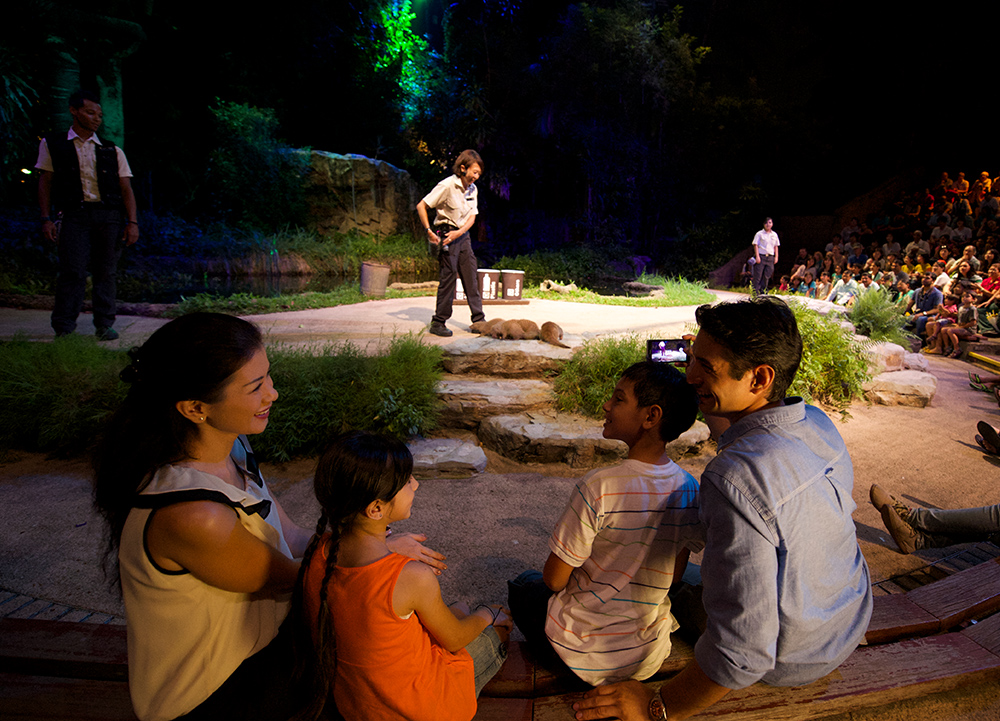
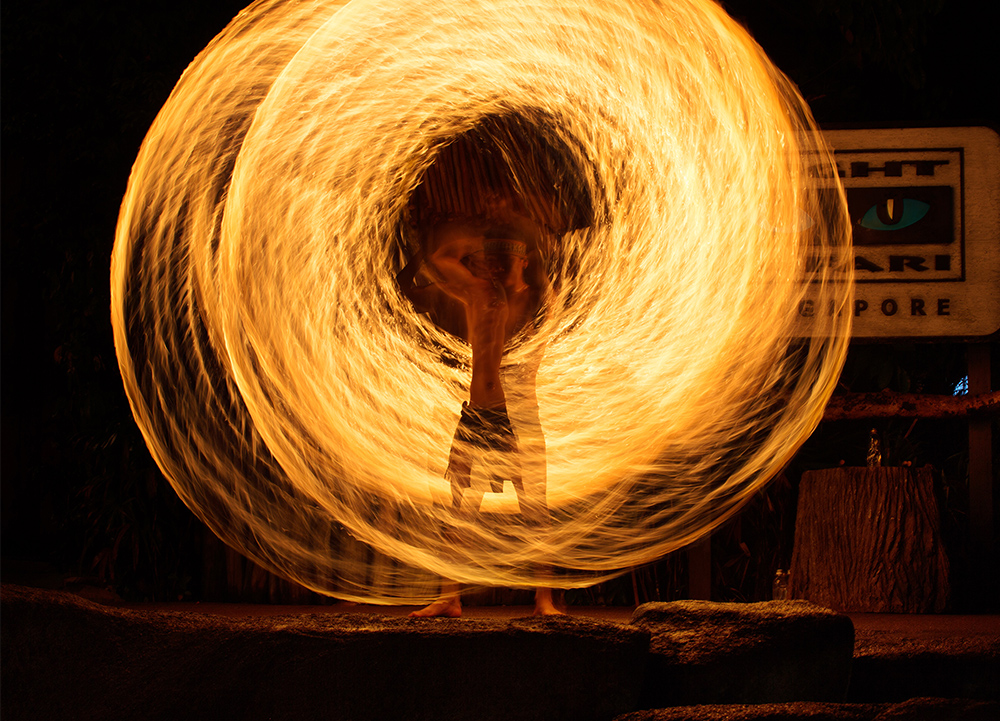
- Visitors can attend Creatures of the Night show and the Thumbuakar Performance to witness the talents of the Night Safari’s animals alongside their trainers.
- Shows at Singapore Night Safari are weather permitting and visitors to the Creatures of the Night shows seated on a first-come, first-served basis.
- Return to Hotel.
- Dinner will be on your own.
- Stay Overnight at Hotel.
 Hotels
 Breakfast Sightseeing
- Have breakfast at Hotel.
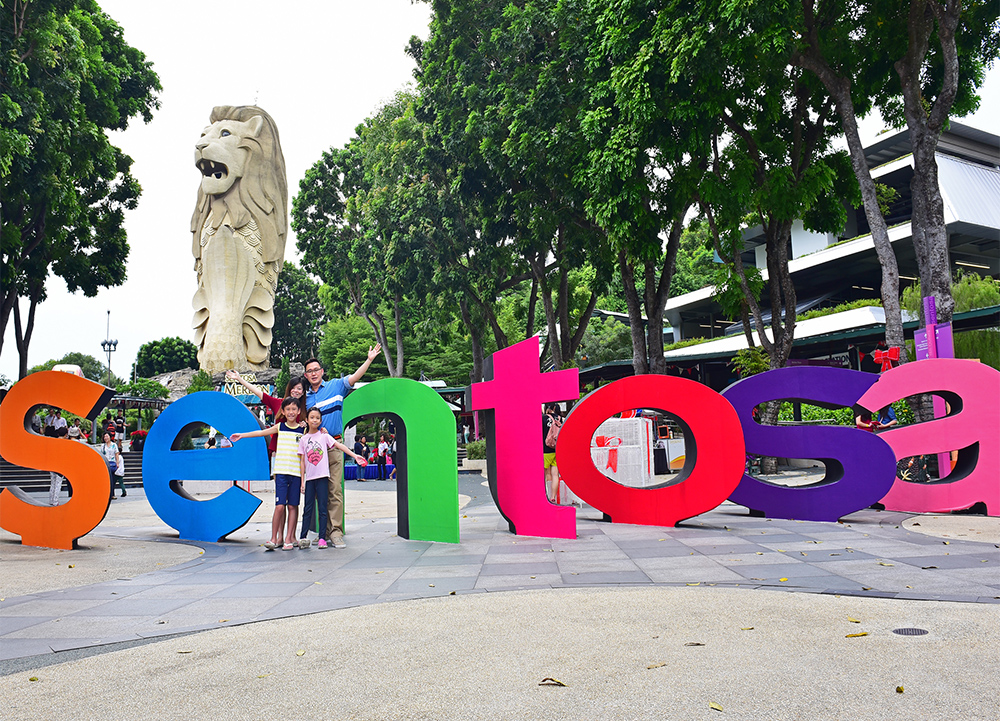
- After breakfast, meet our associate representative and proceed for a Sentosa Island Tour .
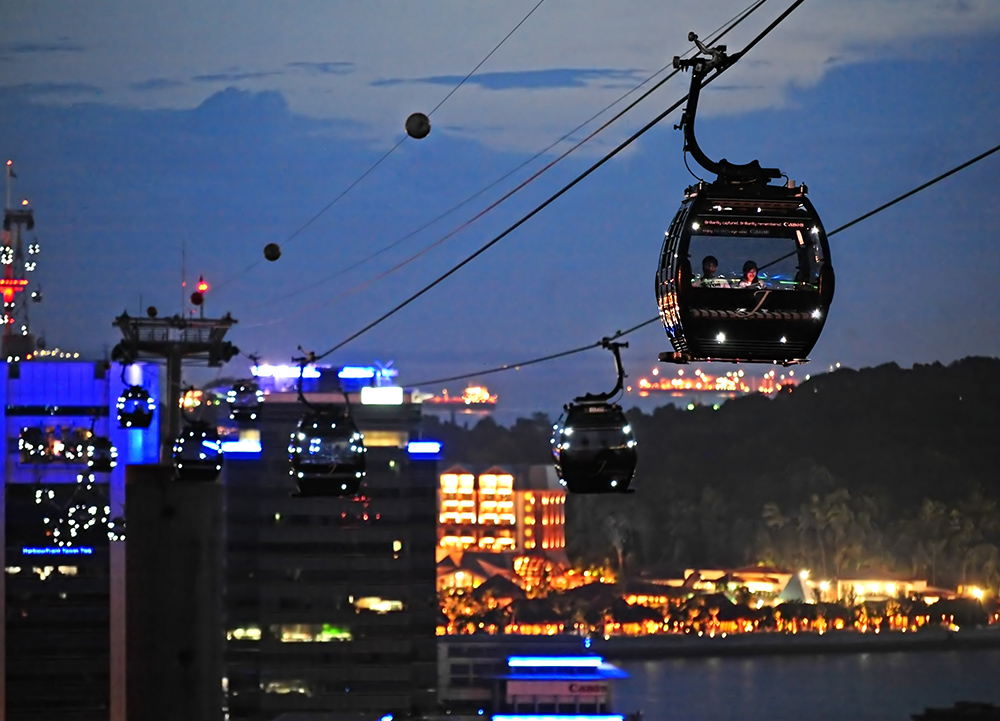
- Sentosa with Cable Car, Double Luge + Sky ride, 5in1 Madam Tussauds & Sky Helix (Replace Wings of Time) with transfer
- Madam Tussauds: Capture your best selfie alongside wax figures of famous personalities like Cristiano Ronaldo, Lady Gaga and Shah Rukh Khan at popular wax attraction, Madame Tussauds Singapore. If that’s not enough star action, the all-new Marvel Universe 4D Cinema transports you right into the heart of an action movie, while the VR Racing Experience pits you against the best of the best. Also don’t miss the new Ultimate Film Star Experience where you can audition for a leading role as you act, dance and star alongside superstars of Indian
Cinema such as Kajal Aggarwal, Shahid Kapoor, and Karan Johar. FUN FACT:
Madame Tussauds Singapore is the first Madame Tussauds with an actor-led show and boat ride. - SENTOSA 4D ADVENTURELAND: Embark on an adventure at Sentosa 4D AdventureLand where four different rides bring you face-to-face with the different effects of 4D technology. Ride the simulated Haunted Mine Ride 4D, or strap in for the Extreme Log Ride. Shoot it out in Desperados, or get into the heart of the action with Journey 2: The Mysterious Island. FUN FACT: 4D technology is actually 3D film with physical effects so you can experience elements like fog, rain, wind and vibrations.
- SKY Helix: Take flight in the highest open-air panoramic ride in Singapore – SkyHelix Sentosa! Sit in an open-air gondola that gently rotates as it ascends to a height of 79 metres above sea level.
- Madam Tussauds: Capture your best selfie alongside wax figures of famous personalities like Cristiano Ronaldo, Lady Gaga and Shah Rukh Khan at popular wax attraction, Madame Tussauds Singapore. If that’s not enough star action, the all-new Marvel Universe 4D Cinema transports you right into the heart of an action movie, while the VR Racing Experience pits you against the best of the best. Also don’t miss the new Ultimate Film Star Experience where you can audition for a leading role as you act, dance and star alongside superstars of Indian
- After tour, get dropped back at the Hotel.
- Lunch will be on your own.
- After Lunch, meet our representative and continue for Wings of Colour @ Jurong Bird Park Tour on SIC (Seat-in-coach) basis.
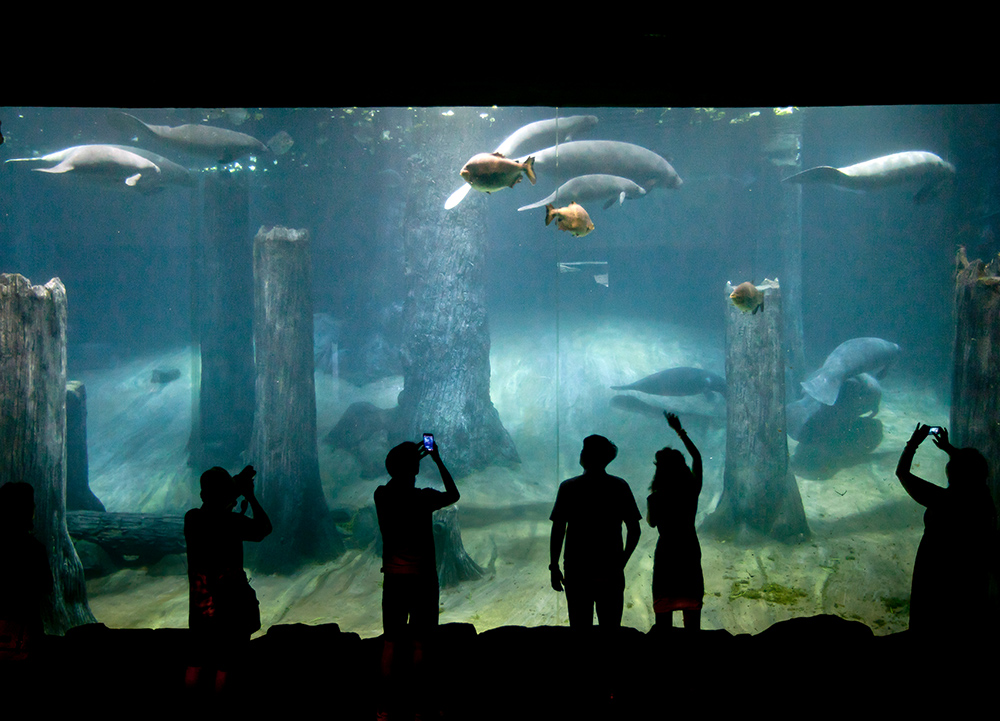
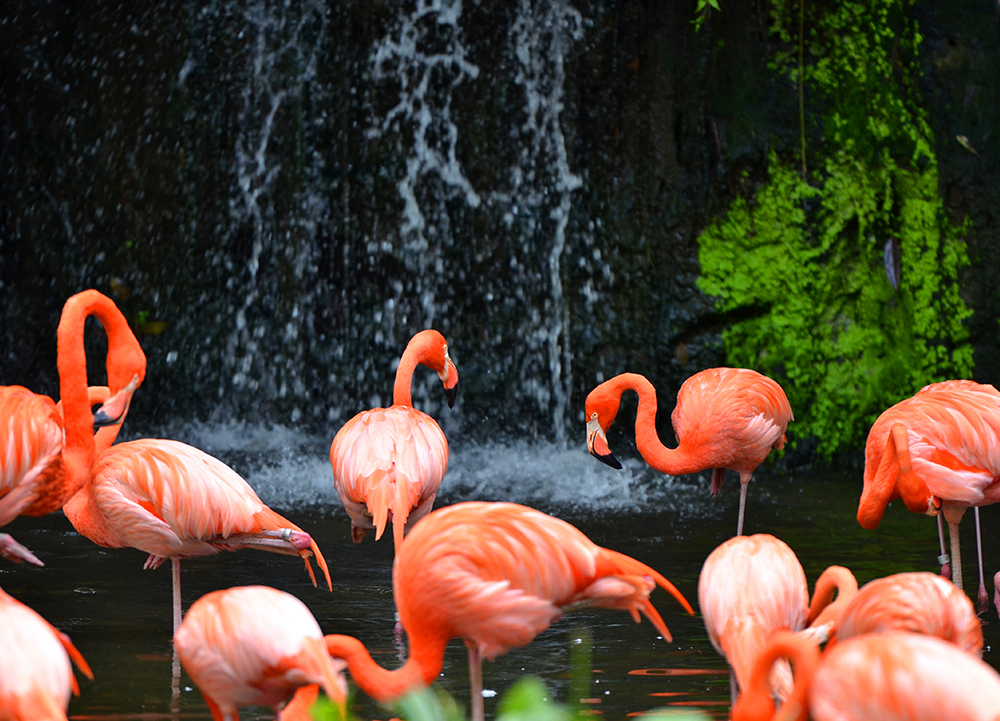
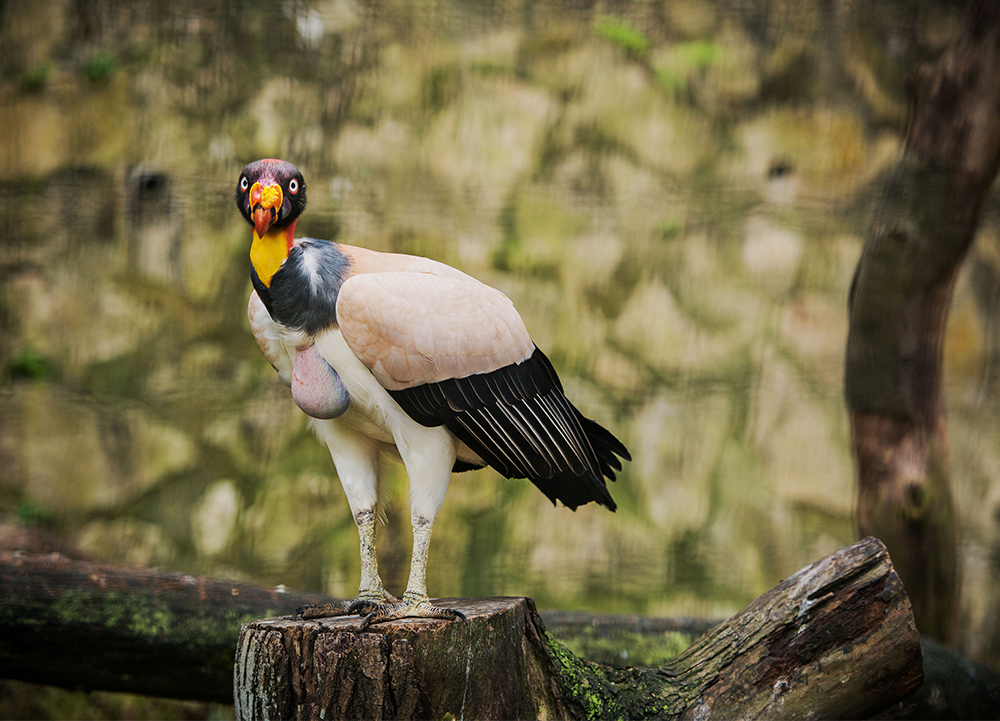
- Asia’s largest bird park is home to more than 5,000 birds across 400 species. Four free-flight aviaries house over 600 birds and the Waterfall Aviary features a 30-metre-high waterfall.
- Other highlights include the Pelican Cove, and families with young children should drop by Birdz of Play, a themed playground with a wet play zone.
- Return to Hotel.
- Dinner will be on your own.
- Stay Overnight at Hotel.
- Sentosa with Cable Car, Double Luge + Sky ride, 5in1 Madam Tussauds & Sky Helix (Replace Wings of Time) with transfer
 Hotels Breakfast Sightseeing
- Have breakfast at Hotel.
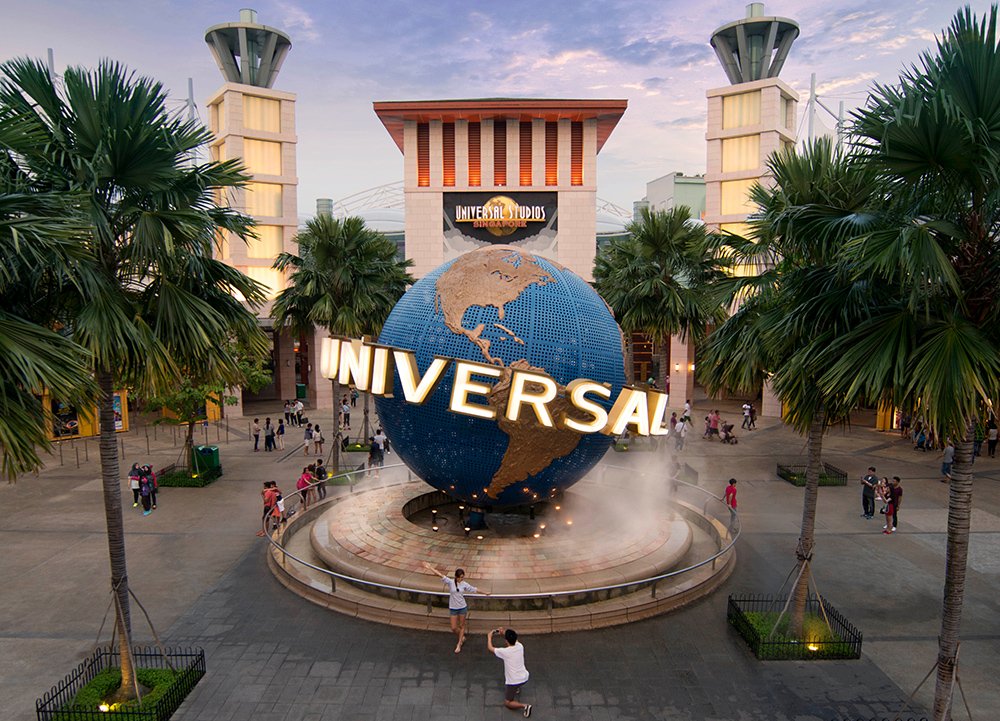
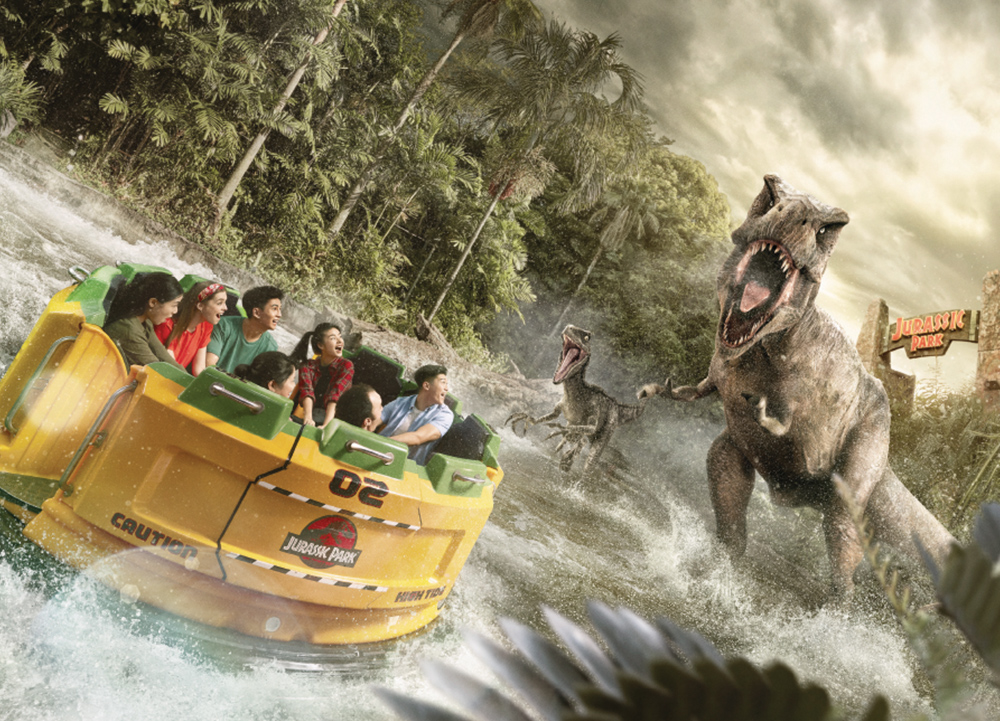
- After breakfast, meet our associate representative and proceed for a Universal Studio Tour.
- Southeast Asia’s first Hollywood movie theme park, Universal Studios Singapore™, features an enticing selection of attractions, rides and entertainment for families and thrill seekers. Step into the glamorous world of movies at this world-class theme park located within Resorts World Sentosa™. Visitors will find 15 movie-themed rides designed just for the Singapore Park.
- Lunch and Dinner will be on your Own.
- Return to Hotel and stay Overnight at Hotel.
 Breakfast Sightseeing Airport Drop
- Have breakfast at Hotel.
- Check out from Hotel.
- Deposit baggage at concierge.
- Meet our associate representative and proceed for a City Tour.
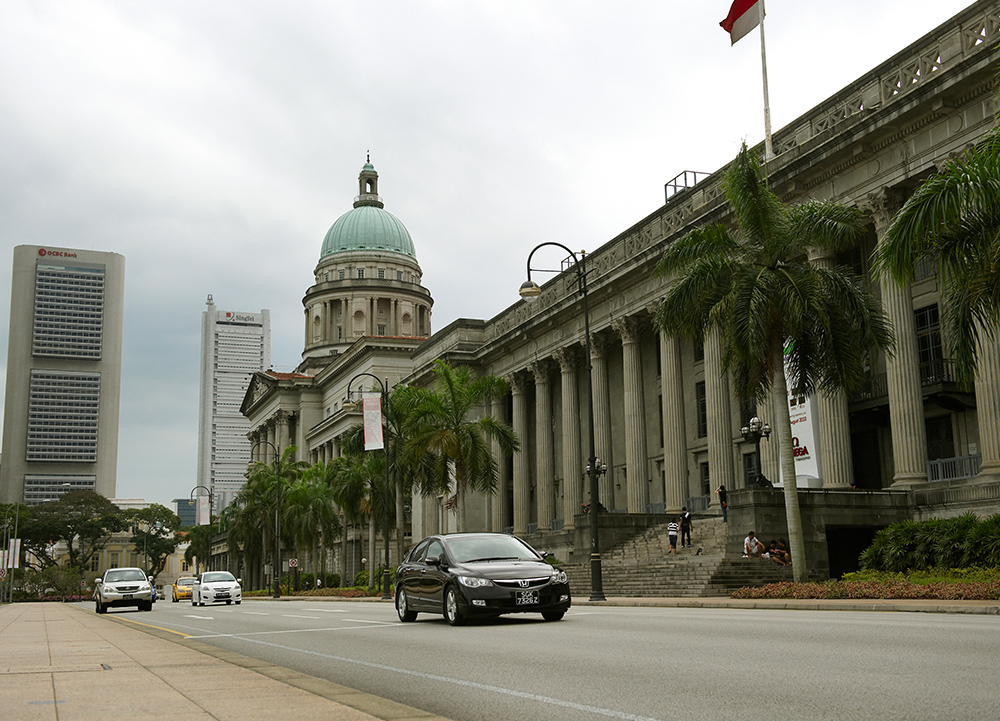
- Explore the city by driving round the Civic District, passing by the Padang, Cricket Club, historic Parliament House, Supreme Court and City Hall.
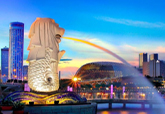
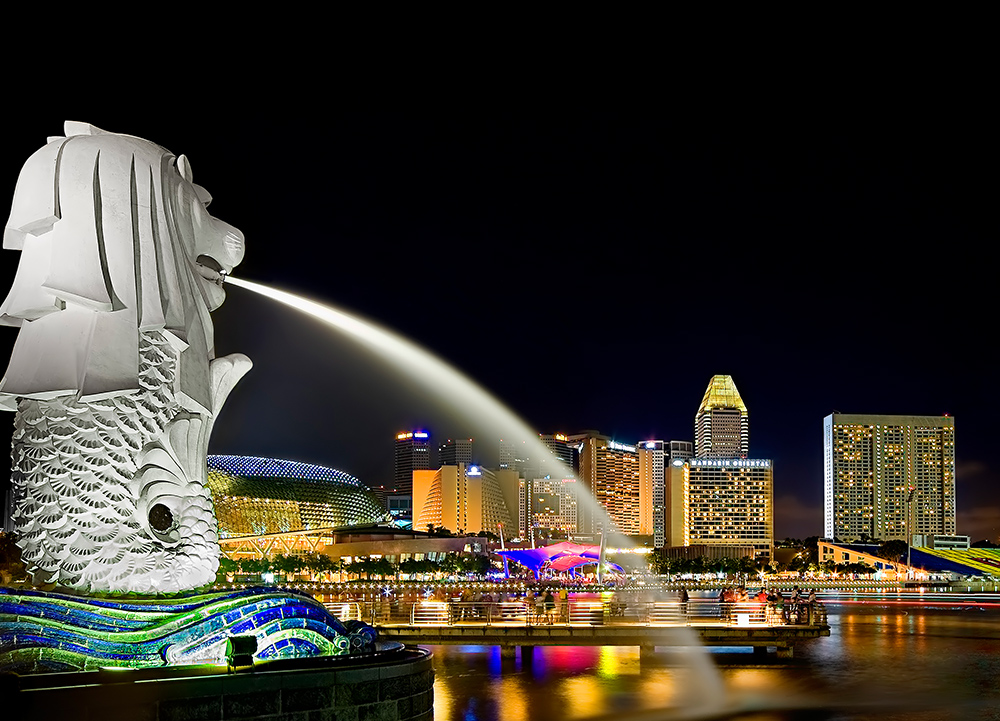
- Next, stop at the Merlion Park and enjoy the impressive views of Marina Bay. Do not miss out this picture-taking opportunity with The Merlion, a mythological creature that is part lion and part fish.
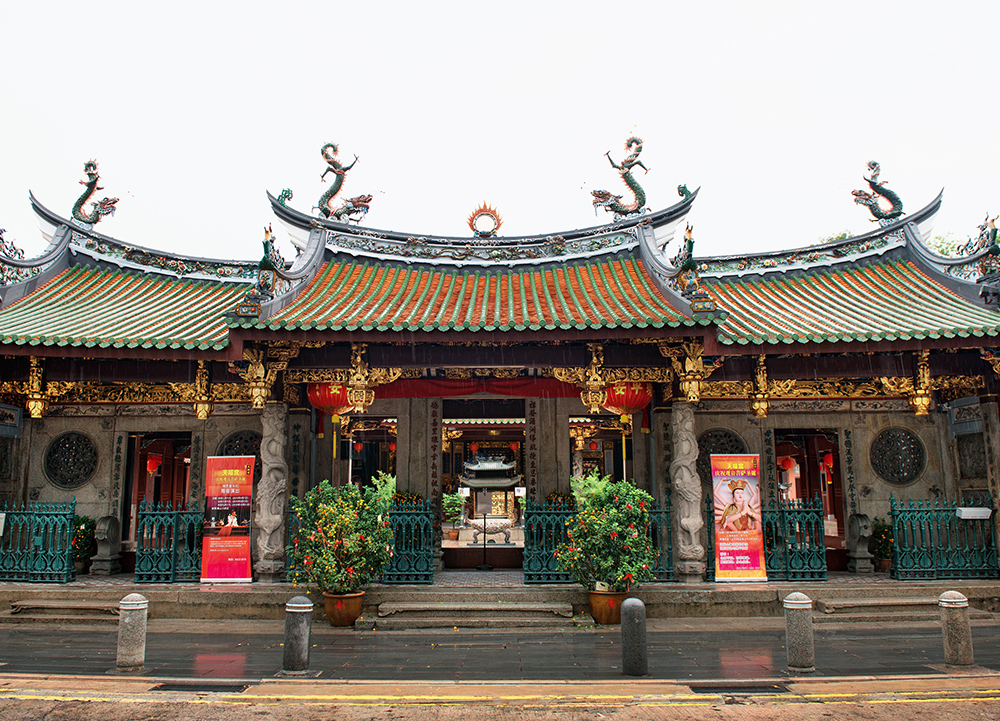
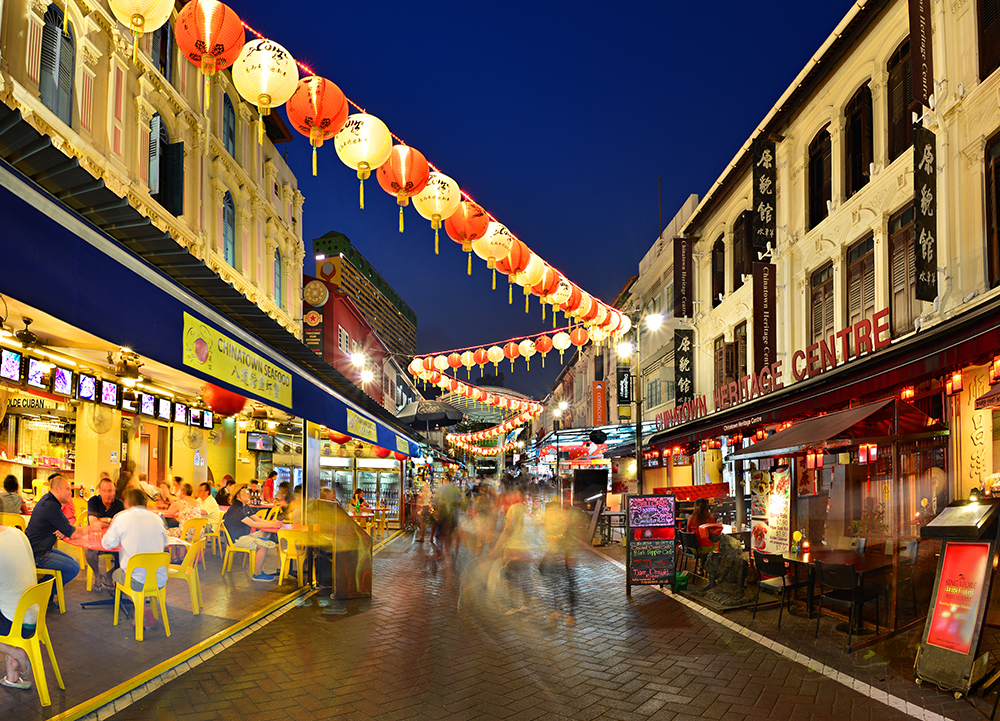
- Visit one of Singapore’s oldest Buddhist-Taoist temples, Thian Hock Keng Temple before driving past Chinatown. Stop by a Local Handicraft Centre and observe artisans at work up-close.
- Proceed to the National Orchid Garden located within Singapore Botanic Gardens, which boasts a sprawling display of 60,000 orchid plants.
- Our final stop at Little India will entrance you with the scent of joss sticks, jasmine and spices.
- Return to Hotel, Pick up baggage and get dropped at Airport for your homebound flight.
Tour Info
Singapore Tour Package Cost: Starts from INR. 45,855*
Package Cost Includes:
- Singapore Tourist Visa.
- Airport transfers on SIC basis.
- 3nights Hotel accommodation in a 3-star Hotel with Breakfast.
- Night Safari Tour on SIC basis.
- Sentosa Island Tour on SIC Basis.
- Wings of the Colors @ Jurong Bird Park tour on SIC basis.
- Universal Studio Tour on SIC basis.
- Singapore City tour on SIC basis.
- Applicable taxes in Singapore.
Package Cost does not include:
- Applicable GST – 5% as on date.
- Applicable TCS (Tax Collection at Source) – 5% as on date with PAN Card.
- Air Ticket to Singapore.
- Travel Insurance.
- Lunch and Dinner / other meals not mentioned.
- Personal purchases and drinks except those included in the Breakfast.
- Early Check in / Late Check out beyond the Standard Policies of Each Hotel / Resort
- Check In time is 1400hrs & Check Out time is 1100hrs
- Activity charges inside the Sightseeing venues.
- Any service not mentioned in the inclusions
- Usage of Transportation beyond the schedules / Sightseeing provided.
- Tip for Tour Guide, Driver or Chauffeur.
- Change in the Order of Itinerary / amendments as per Personal Interests / Convenience.
- Incidental Expenses due to Natural Calamities / Weather disruptions / Flight Cancellations / War/ Strike / Fire / Acts of government / Riot, etc.
- Personal expenses such as room service, bar, laundry, porterage, mini bar etc.
Singapore - Malaysia
Singapore - Malaysia Tour Package
Airport Pick up Hotels Sightseeing Dinner- Arrive into Changi Airport, Singapore.
- Proceed to immigration formalities.
- Collect you baggage from the designated carousel.
- Meet our associate representative who will be holding a placard at the arrival hall.
- Transfer to Pre-booked Hotel.
- Check-into hotel between 14:00-15:00hrs, a standard check-in time.
- Get acclimatized in the free time.
- In the evening, meet our associate representative and headway for a Singapore Night Safari Tour on SIC (Seat-in-coach) basis.
- Return to Hotel.
- Dinner will be on your own.
- Stay Overnight at Hotel.
 Hotels Breakfast Sightseeing
- Have breakfast at Hotel.
- After breakfast, meet our associate representative and proceed for a Sentosa Island Tour.
- After tour, get dropped back at the Hotel.
- Lunch will be on your own.
- After Lunch, meet our representative and continue for Wings of Colour @ Jurong Bird Park Tour on SIC (Seat-in-coach) basis.
- Return to Hotel.
- Dinner will be on your own.
- Stay Overnight at Hotel.
Hotels Breakfast Sightseeing- Have breakfast at Hotel.
- After breakfast, meet our associate representative and proceed for a Universal Studio Tour.
- Lunch and Dinner will be on your Own.
- Return to Hotel and stay Overnight at Hotel.
Breakfast Sightseeing Airport Drop- Have breakfast at Hotel.
- Check out from Hotel.
- Deposit baggage at concierge.
- Meet our associate representative and proceed for a City Tour.
- Return to Hotel, Pick up baggage and get dropped at Airport for your flight to Kuala Lumpur.
- Arrive into Kuala Lumpur
- Meet and transfer to Hotel.
- Check in to Hotel as per the standard Check in time.
- Stay overnight at Hotel.
Breakfast Sightseeing- Have breakfast at Hotel.
- Proceed to Visit Genting Highlands and Batucaves.
- Genting Highlands:
- Genting Highlands are reachable by road or cable car. Awana Skyway is the primary cable car line begins from Awana Bus Station to the final stop, SkyAvenue station.
- The ascent from Awana Station (1,105 metres above sea level) to SkyAvenue Station (1,725 metres above sea level) is 620 metres.
- Take a joy ride on South East Asia’s longest skyway system and the world’s fastest skyway – the gondolas travel at a top speed of 6 metres per second. It just takes about 10 minutes to ride 2.8 kilometres from Awana Station to SkyAvenue Station.
- The fun never seems to stop at Genting, the highlands of Entertainment, perched on the top of Genting at an altitude of 6,000 feet.
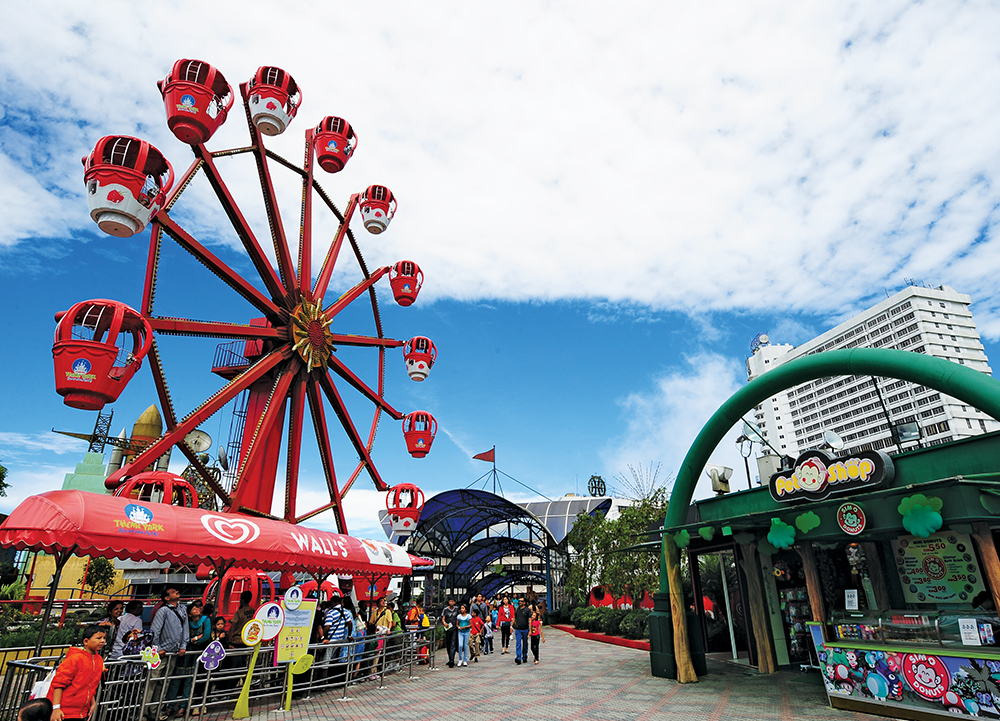
- Possible attractions at Genting Highlands (at an additional Cost):
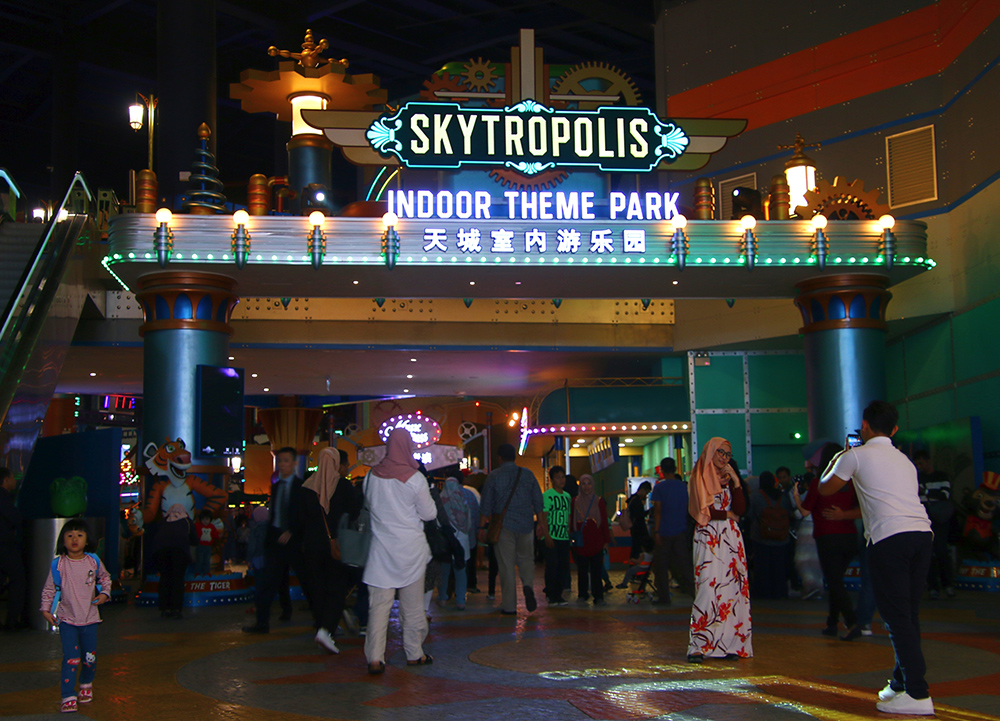
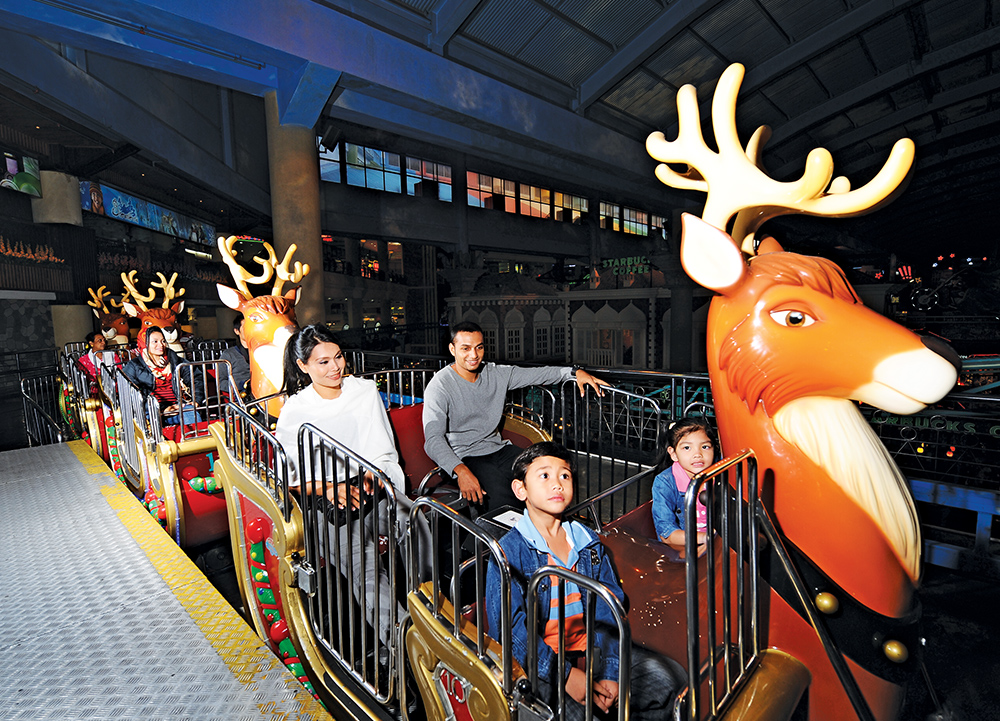
- Skytropolis Indoor Theme Park: Different categories of rides catered to children, family and thrill-seekers.
- Award winning “Train to Busan”, a zombie apocalypse like the one you have never experienced before.
- The VOID: Offers the most immersive virtual reality experience in the world.
- Bigtop Videos Game Park: Get ready to let your fun side loose and into the excitement of old school arcade and carnival-style games.
- 20-lane bowling alley – Location: Level 3, Skytropolis Indoor Theme Park
- Retro-style arcade: Expect classic games like Pac-Man and Street Fighter to uncover your inner child.
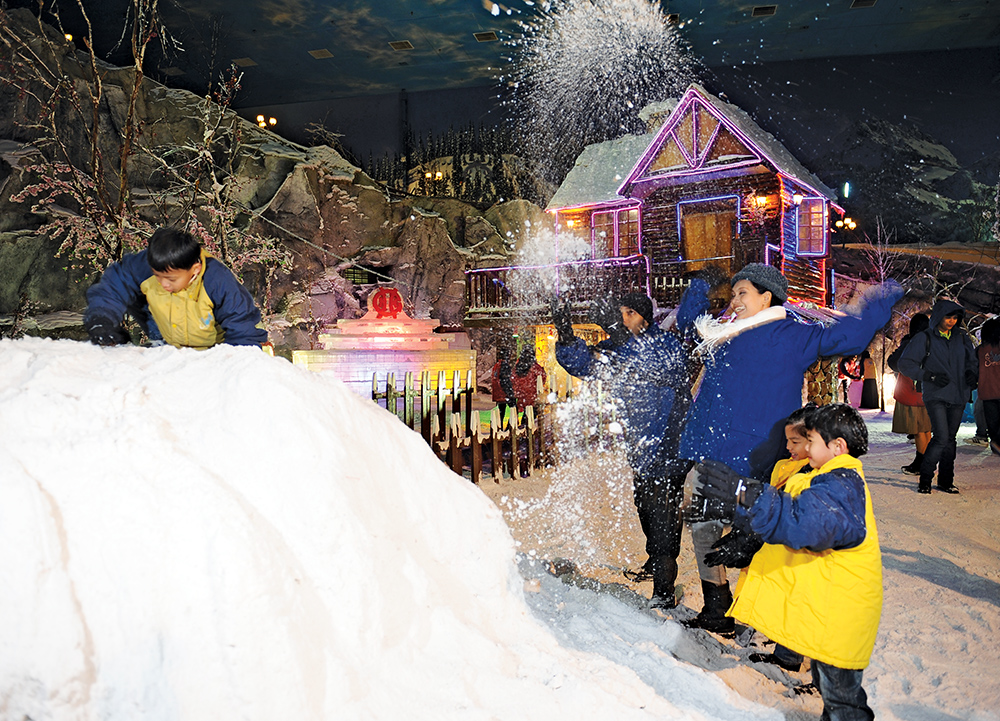
- Snow World: Take a trip into SnowWorld where a European-themed winter village awaits. Experience a sub-zero environment, complete with life-like snowfalls, changing day-to-night sceneries, warm igloo houses, and relics of ancient Roman castles. Location: Level 2, First World Plaza
- Countryside and Batu Caves:
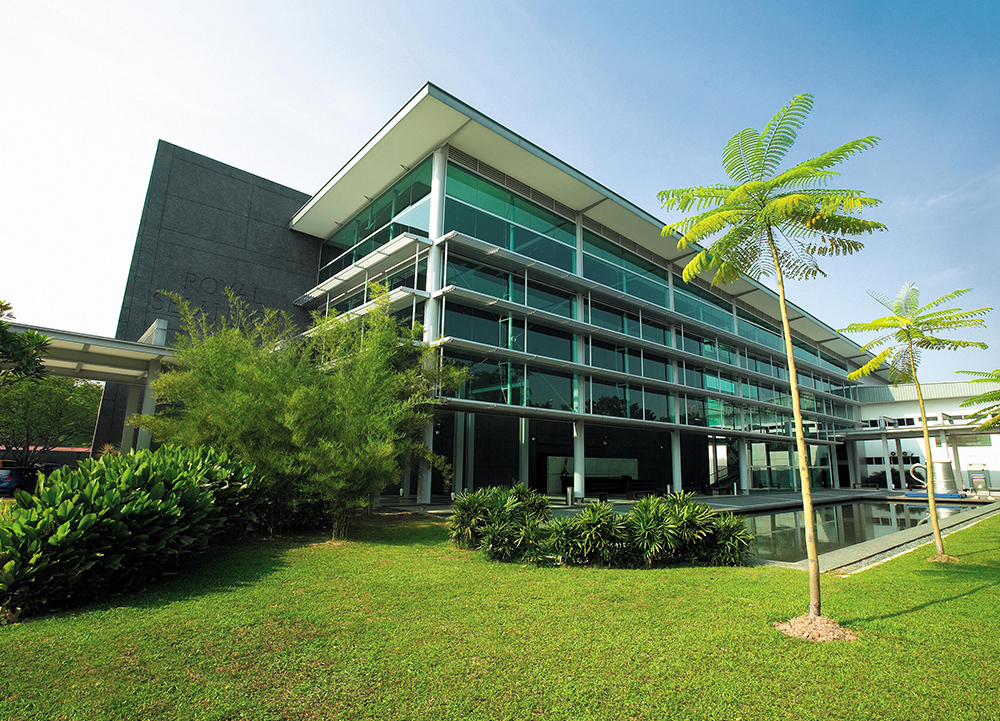
- Visit the world largest Royal Selangor Pewter factory to see how Malaysia’s most distinctive crafts produced. After that, a brief stop at Batik centre.
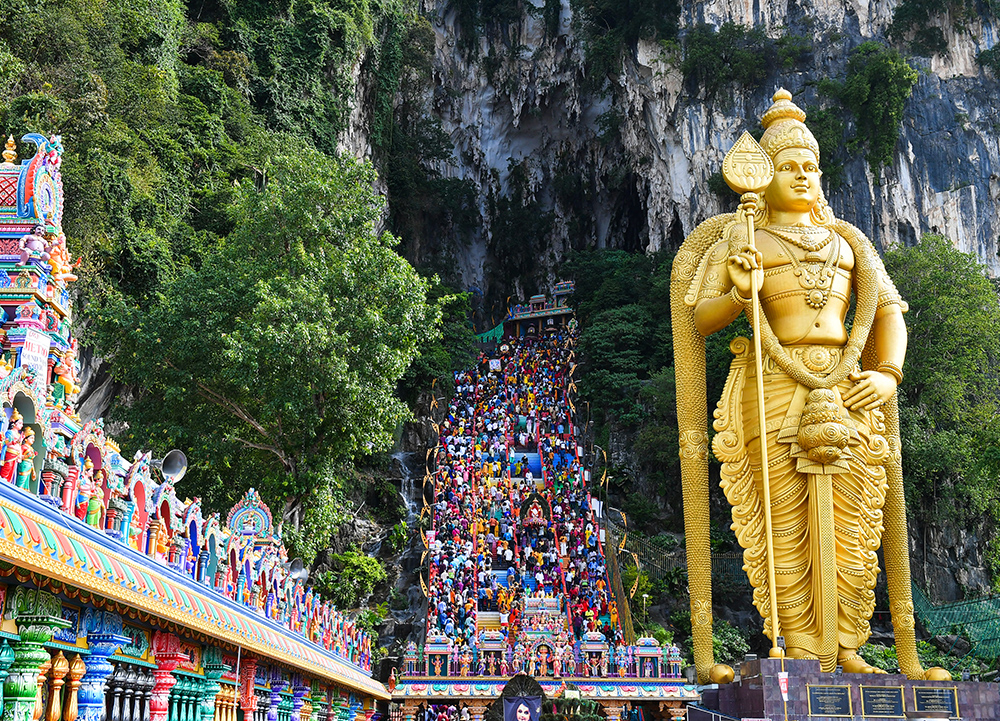
- After batik center, visit the majestic limestone formation lies in the state of Selangor, on the outskirts of the city. Situated within are three big caves, including the main cave which is home to an ancient Hindu temple. Scale the magnificent 272-step staircase leading up to the Lord Murugan temple. Other attractions include the Ramayana Cave, which features wall paintings depicting scenes from Hindu epics.
- Genting Highlands:
- Return to Kuala Lumpur and Stay overnight at Hotel.
 Breakfast Sightseeing
- Have breakfast at Hotel.
- Proceed to visit Kuala Lumpur Grand City Tour (08hrs from hotel pickup to drop). Kuala Lumpur Grand City tour covers
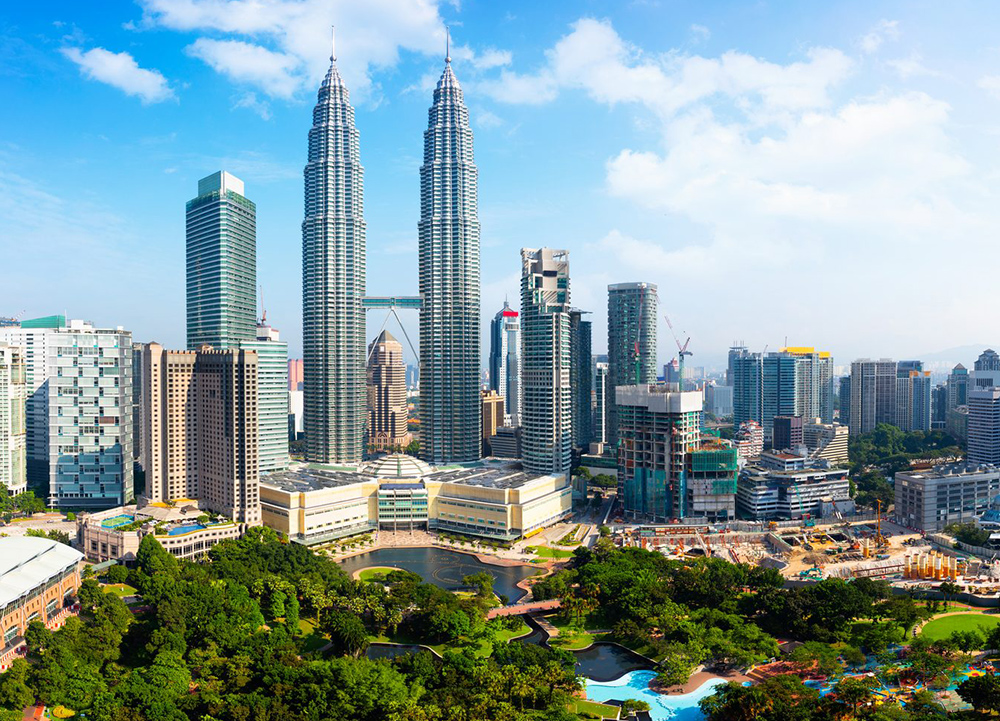
- Petronas Twin Tower (photo stop)
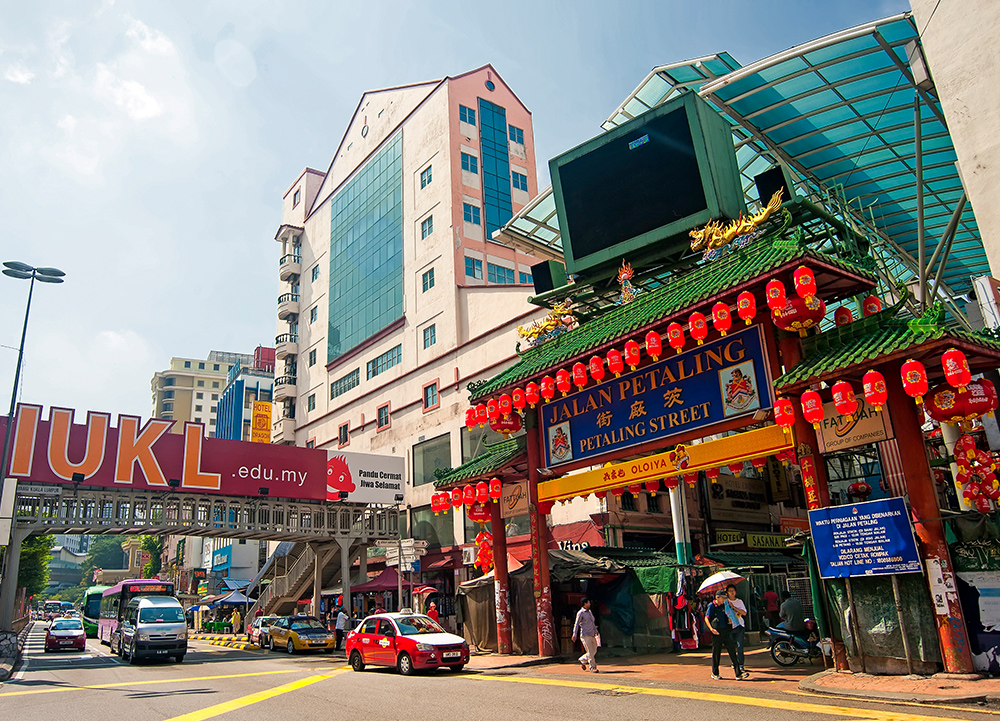
- China Town
- Central Market with The Tarik experience
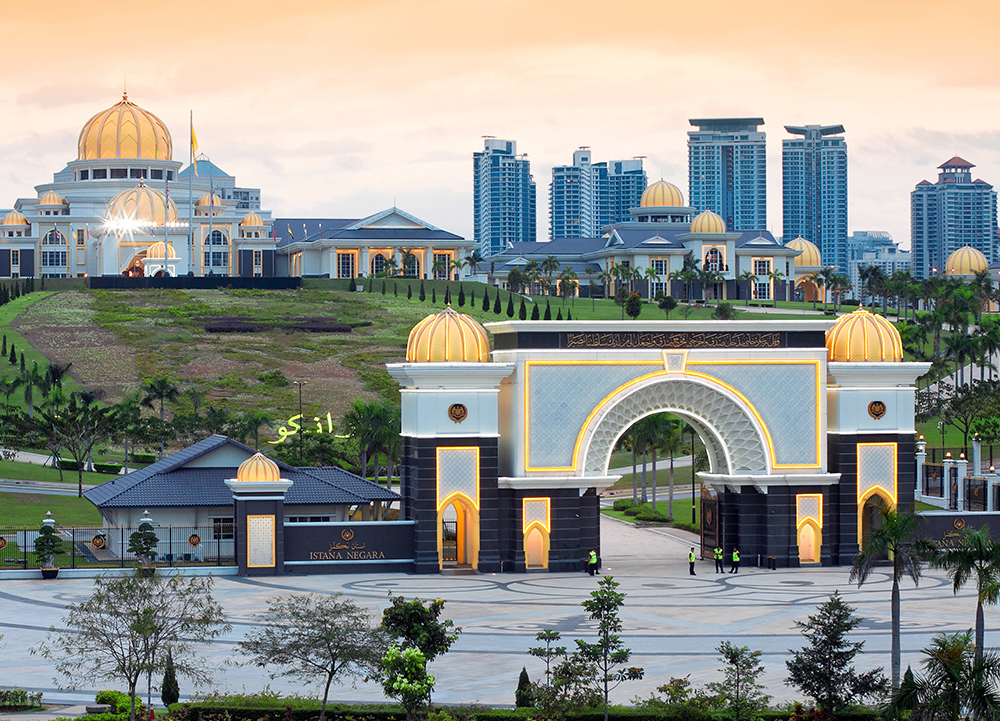
- King’s Palace
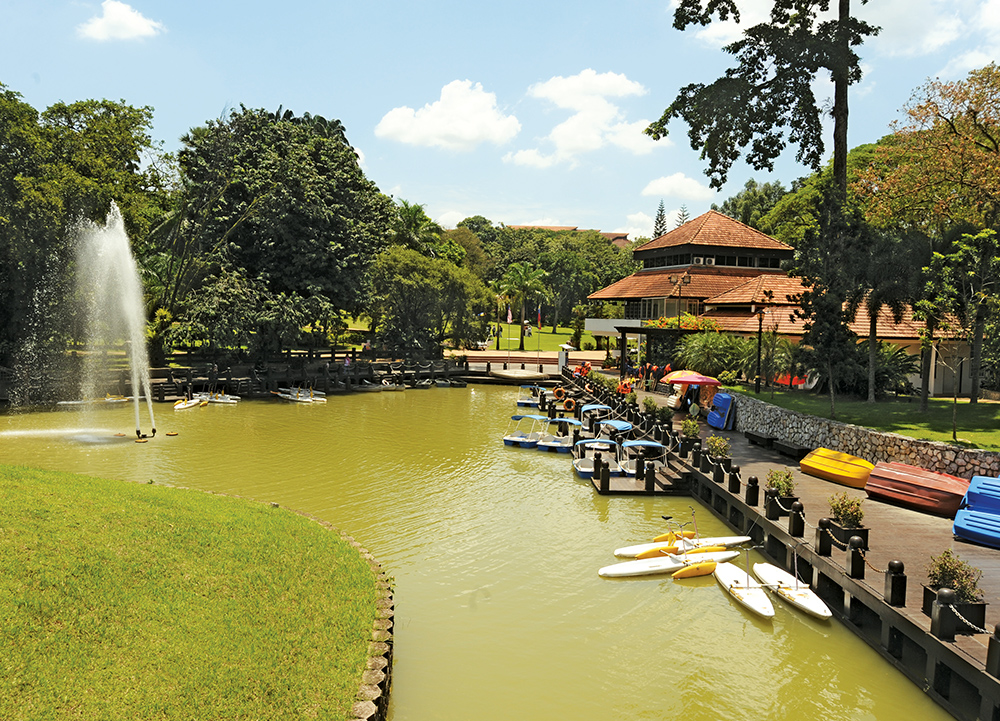
- Lake Garden (drive pass)
- Independence Square
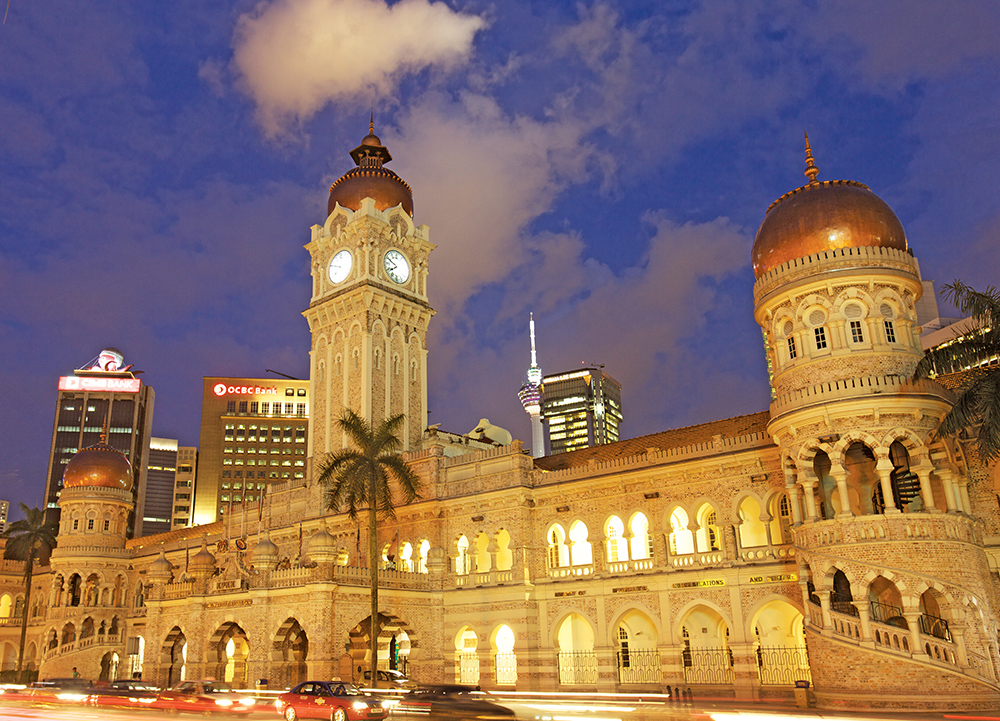
- Sultan Abdul Samad Building
- Spotted dog Tudor Styled Cricket Club
- Old Railway Station
- Local Batik and Handicraft Centre
- Royal Selangor Pewter with School of Hard Knock experience
- Batu Caves
- Lunch served at local restaurant only.
- Return to Hotel.
- Dinner will be on your own.
- Stay overnight at Hotel.
 Breakfast Airport Drop
- Have breakfast at Hotel.
- Check out from Hotel as per the standard check out before 12noon.
- Our associate chauffeur will drop you at the Airport for your homebound flight.
Tour Info
Singapore – Malaysia Tour Package Cost: Starts from INR. 70,855*
Package Cost Includes:
- Singapore
- Singapore Electronic Tourist Visa.
- Airport transfers on SIC basis.
- 3nights Hotel accommodation in a Hotel with Breakfast.
- Night Safari Tour on SIC basis.
- Sentosa Island Tour on SIC Basis.
- Wings of the Colors @ Jurong Bird Park tour on SIC basis.
- Universal Studio Tour on SIC basis.
- Singapore City tour on SIC basis.
- Applicable taxes in Singapore.
- Malaysia
- Malaysia E-Tourist Visa.
- Airport transfers on SIC basis.
- 3nights Hotel accommodation in a Hotel with Breakfast.
- Day trip to Genting Highlands
- Kuala Lumpur City Tour.
- Visit to Batu Caves, Pewter factory and Batik Center.
- Applicable taxes in Malaysia.
Package Cost does not include:
- Applicable GST – 5% as on date.
- Applicable TCS (Tax Collection at Source) – 5% as on date with PAN Card.
- Air Ticket to Singapore and Kuala Lumpur.
- Travel Insurance.
- Lunch and Dinner / other meals not mentioned.
- Any activity charges / attraction charges indicated in the itinerary.
- Personal purchases and drinks except those included in the Breakfast.
- Early Check in / Late Check out beyond the Standard Policies of Each Hotel / Resort
- Check In time is 1400hrs & Check Out time is 1100hrs
- Any service not mentioned in the inclusions
- Usage of Transportation beyond the schedules / Sightseeing provided.
- Tip for Tour Guide, Driver or Chauffeur.
- Change in the Order of Itinerary / amendments as per Personal Interests / Convenience.
- Incidental Expenses due to Natural Calamities / Weather disruptions / Flight Cancellations / War/ Strike / Fire / Acts of government / Riot, etc.
- Personal expenses such as room service, bar, laundry, porterage, mini bar etc.
Cruise from Singapore
- 5 Nights Spice Of Southeast Asia Cruise | Singapore – Penang – Langkawi – Phuket – Singapore.
- 4 Nights Port Klang & Phuket Cruise | Singapore – Kuala Lumpur (Port Klang) – Phuket – Singapore
- 4 Nights Port Klang & Penang Cruise | Singapore – Kuala Lumpur (Port Klang) -Penang-Singapore.
- 4 Nights Penang & Phuket Cruise | Singapore-Penang-Phuket-Singapore.
- 3 Nights Penang Weekend Cruise| Singapore-Penang-Singapore.
- 3-Day Malaysian Peninsula.
- Singapore | Kuala Lumpur (Port Klang), Malaysia | Singapore
- 5-Day Malaysian Peninsula.
- Singapore | Kuala Lumpur (Port Kelang), Malaysia | Penang, Malaysia | Phuket, Thailand | Singapore
- 10-Day Malaysian Peninsula & Indonesia.
- Singapore | Kuala Lumpur (Port Kelang), Malaysia | Penang, Malaysia | Phuket, Thailand | Bali (Benoa), Indonesia | Singapore
- 11-Day Southeast Asia with Solar Eclipse.
- Singapore | Nha Trang, Vietnam | Ho Chi Minh City (Phu My), Vietnam | Sihanoukville, Cambodia | Bangkok (Laem Chabang), Thailand | Ko Samui, Thailand | Annular Solar Eclipse Position | Kuala Lumpur (Port Kelang), Malaysia | Singapore
- 11-Day Southeast Asia.
- Singapore | Kota Kinabalu, Malaysia | Nha Trang, Vietnam | Ho Chi Minh City (Phu My), Vietnam | Sihanoukville, Cambodia | Bangkok (Laem Chabang), Thailand | Ko Samui, Thailand | Singapore
- 14-Day Southeast Asia & Japan.
- Singapore | Ho Chi Minh City (Phu My), Vietnam | Nha Trang, Vietnam | Da Nang/Hue (Chan May),Vietnam | Hong Kong | Hong Kong | Taipei (Keelung) | Osaka (for Kyoto), Japan | Toba, Japan | Tokyo (Yokohama), Japan
- 10-Day Thailand & Vietnam
- Singapore | Singapore | Ko Samui, Thailand | Bangkok (Laem Chabang), Thailand | Ho Chi Minh City (Phu My), Vietnam | Nha Trang, Vietnam | Hong Kong | Hong Kong
- MedallionClass™ Cruises: Experience a more relaxing, personalized vacation, thanks to the OceanMedallion™, a quarter-size, wearable device that unlocks everything from expedited embarkation to your stateroom door. Order drinks, food and service on demand. Find your way with dynamic turn-by-turn directions, and locate travel companions. And enjoy Wi-Fi wherever you are with MedallionNet™. Exclusively on Princess Cruises.
- 4-Day Thailand Getaway.
- Singapore | Phuket, Thailand | Singapore)
- 7-Day Borneo & Philippines.
- Singapore | Kota Kinabalu, Malaysia | Boracay, Philippines | Manila, Philippines | Hong Kong
- 7-Day Vietnam & Thailand.
- Singapore | Ko Samui, Thailand | Bangkok (Laem Chabang), Thailand | Ho Chi Minh City (Phu My), Vietnam | Singapore
- 10-Day Malaysian Peninsula & Indonesia.
- Singapore | Kuala Lumpur (Port Kelang), Malaysia | Penang, Malaysia | Phuket, Thailand | Bali (Benoa), Indonesia | Singapore
- 4-Day Thailand Getaway.
- 5 Nights Singapore-Penang-Phuket-Langkawi-Port Klang-Singapore
- 5 Nights Singapore-Redang-Ko Samui-Laem Chabang-Singapore
- 5 Nights Singapore-Kota Kinabalu-Palawan-Singapore
- 5 Nights Singapore-Belitung-Christmas Island-Singapore
- 4 Nights Singapore-Melaka-Phuket-Singapore
- 3 Nights Singapore-Penang-Phuket-Singapore
- 3 Nights Singapore-Penang-Langkawi-Singapore
- 3 Nights Singapore-Langkawi-Phuket Cruise-Singapore
- 2 Nights Singapore-Port Klang-Singapore
- 2 Nights Singapore-Melaka-Singapore
- 2 Nights Singapore-Bintan-Singapore
Frequently Asked Questions
You can contact us at +919840030586 or Email us at outbound@aadityatours.com
Tourists flock to Singapore round the year. Singapore has a tropical climate all year round, with temperatures usually reaching over 30°C. Prepare for Rain at any time, which can be torrential but usually brief.
We do a comprehensive Tour package, which includes Flight tickets, Airport transfers, Accommodation and Sightseeing. However, if interested, you have a liberty to book your Flight tickets.
Indian passport holders need a visa to enter Singapore
A S$30 non-refundable processing fee is payable (*Services Charges + GST extra)
Visa application processed in 3-4 working days
Each visa application will be considered on its own merits.
Please contact us immediately. Once confirmed, changes or cancellations do incur a fee.
We recommend to all of our customers to help protect you and your travel investment against the unexpected.
Singapore Dollar (SDG$) is used and notes come in denominations of S$2, S$5, S$10, S$50, S$100, S$1,000 and S$10,000. Coins come in 5, 10, 20, 50 cents and S$1.
The standard electrical current used in Singapore is 220-240 volts AC (50 cycles) and you can use power plugs with three-square prongs.
You can drink water straight from the tap as the water in Singapore passes World Health Organization standards. You can also buy bottled water easily.
Tourists can claim a refund on the 7% GST paid on the purchases if you spend more than $100 at any participating shops.
Tipping is encouraged when you experience good service, and this would be above the standard 10% gratuity to your bill added by restaurants and hotels.
Police: 999 | Ambulance & Fire Brigade: 995 | Flight Information: 1800 542 4422